
How Cape Coral Arrests Work
Cape Coral polices its own streets. The city's officers write the reports and file them first. The jail, though, belongs to the county. When a Cape Coral arrest ends in a trip to jail, the Lee County Sheriff's Office takes over custody and booking. Arrestees go to the Downtown Jail in Fort Myers. That site serves as central intake for everyone arrested in Lee County. So one arrest leaves two trails. The police report covers the city incident. The LCSO record adds the booking number, custody status, housing, and charge data when it comes back. The Lee Clerk's court file tracks the case path and disposition later, subject to public-access limits. Two agencies, two files. Read them side by side for the full picture. The first booking entry alone cannot predict how a case ends.
Where Cape Coral Arrests Appear
Cape Coral arrests surface in more than one place. The city police department posts no complete booking roster online. Its newsroom offers only selected releases. The Lee County jail search provides the working booking view. Officials come first, ahead of news items and private copies.
| Channel | Photo? | Status | Best use |
|---|---|---|---|
| LCSO Arrest Search | May display one | Official | Current bookings, releases, custody and charge details |
| CCPD Newsroom | Varies | Official | Selected police narratives and announcements |
| Lee Clerk inquiry | No booking-photo promise | Official | Case filings and final disposition |
| Regional and Cape Coral news | Varies by story | Independent | Context on selected public events, never a complete arrest feed |
| Private Lee County archives | Often | Unofficial | Discovery only; entries may be stale or incomplete |
The county search may display a booking photo. Not always, though. LCSO promises no image for every Cape Coral arrest, and a photo does not stay online for any fixed term. Private copies circulate elsewhere. Check the official record again before trusting one.
Find a Cape Coral Booking
Gather a few identifying details first. People share names more often than you would guess. The LCSO interface accepts first, middle, and last name, date of birth, booking number, custody status, and booking or release date ranges. A precise booking number beats a broad name search. Results come paginated, so one screen is never the whole return.
- Open the official LCSO Arrest Search and choose Recent Bookings for a same-day-oriented check.
- Search by name and add a date of birth or date range when needed.
- Load further results and open the detail row for agency, custody, charge, bond, court, case, and hearing fields when available.
- Check whether the arresting-agency field identifies Cape Coral Police Department or another agency.
- Use the Lee Clerk inquiry for the case outcome, because a jail row is not a final disposition.
- For an absent or older item, contact the agency that maintains the requested record.
A fresh arrest can lag behind the web roster. Officer paperwork moves through intake before anything posts online. LCSO promises no fixed update time, so a missing row right after an incident means little. A release from the live roster works the same way, since removal never erases the booking itself.
Cape Coral Arrest Intake
Here is the detail that surprises people. Lee County runs one central intake. The Downtown Jail at 2115 Dr. Martin Luther King Jr. Boulevard in Fort Myers is LCSO's stated booking hub for the whole county, so a Cape Coral arrest does not produce a separate city jail feed. Housing can still shift within county corrections after booking. The live record itself is a custody snapshot, listing name, date of birth, booking number and date, housing, custody or release status, physical descriptors, and an image when one is supplied. Charge details sit behind a second-stage request in the application. Those can add the offense description, arresting agency, bond fields, court, case, and hearing data. Abbreviations show up too. When a record names the Cape Coral Police Department, that tag points to the arresting agency rather than the jail operator. For a fuller picture of the countywide photo and booking rules, the Lee County booking-photo section covers why a roster image is conditional and why the clerk remains the place to settle a case's outcome.
Cape Coral Police Arrest Records
A police incident report and an LCSO booking record are cousins, not twins. The officer-created report or dispatch material comes from Cape Coral or CCPD. Jail intake records, release information, and booking images belong to LCSO Central Records. Court filings and certified copies? Ask the Lee Clerk. A broad request sent to the wrong office just slows things down. It delays the answer you actually need.
Cape Coral Police Department
1100 Cultural Park Boulevard
Cape Coral, FL 33990
239-574-3223
Official site lists 24-hour operations.
Details make a records request work. Give the office the record type, an approximate event date, the location, the agency involved, and any report or booking number you hold. Cape Coral's City Clerk page lays out the rules for city public records, covering both electronic and paper copies. The police site serves as the practical agency contact. One caution: don't ask the city to certify LCSO jail data it never maintained. That data lives with the sheriff, not City Hall.
Why Arrest News Differs
Cape Coral arrest news reflects the department's own choices. CCPD decides what to publish. A major operation may earn a detailed release, while a routine booking gets no story at all. The timing can flip too. A release can post before the booking shows up online, and a person named in an older story may already be out of custody. The official Cape Coral Police newsroom page shows that dated, selected-news format rather than a complete arrest roster.

This is Lee County's distinctive city-record pattern. Press timing and booking timing rarely match. Neither matches the court's clock. A news item may add an agency statement or scene context, but it can never account for every Cape Coral recent arrest. Each story still calls for a separate LCSO check and a court check before it counts as a record.
Cape Coral Arrest Search Limits
The county booking application serves records in batches. The first request stops at 20 entries. More results load only through offset-based paging. A single date search for Cape Coral arrests can therefore return far more than the first visible set. Narrow the dates and use identity fields. Keep loading before deciding a record is absent. LCSO also labels its database a courtesy and warns it may not be accurate or complete, and the official LCSO public booking service response documents that countywide data path rather than a Cape Coral-only feed.
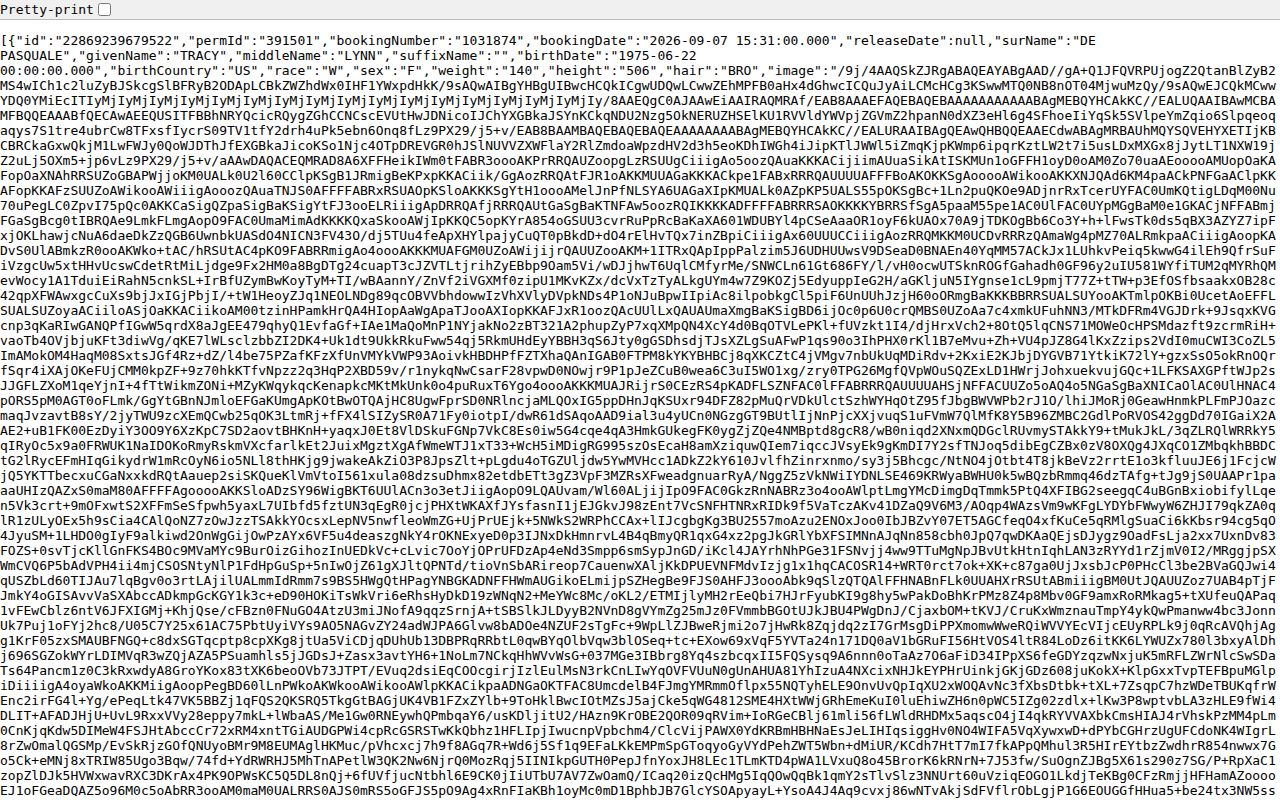
Searchers hit a wall here, because the public-facing Cape Coral arrest search caps how many records it returns.
Cape Coral Arrest Coverage
Local outlets pick their Cape Coral arrest stories too. Cape Coral Breeze, WFTX/Fox 4, WINK, NBC2, and the News-Press all cover selected city cases. The Breeze stands out for local and multi-agency operations. Regional reports may bring interviews, police statements, scene images, or a single agency-supplied photo. Never assume the photo type. A news story never replaces the booking record itself.
Private Lee County archive pages can surface older arrest entries. Their labels may just say Lee County. The line between CCPD and LCSO disappears there. Inclusion rules, refresh times, and correction practices vary from site to site. Treat them as leads only. Confirm the arresting agency, booking status, and court outcome with LCSO, CCPD, and the Clerk before relying on any entry. Official sources come first because they show who made the record and what stage it marks.
Dates can disagree. A news date, a jail booking date, and a clerk filing date may all differ. Compare identifiers, not names. Booking numbers belong to the jail, police report numbers to the department, and case numbers to the court. Keeping those keys attached to each request helps the right office find the record and keeps unrelated Cape Coral arrests from blending together.